
Ebook Gratuit DESIGNING COMPONENT-BASED APPLICATIONS, by Mary Kirtland
 December 08, 2013


Ebook Gratuit DESIGNING COMPONENT-BASED APPLICATIONS, by Mary Kirtland
Lorsque vous avez effectivement déterminé que c'est aussi votre livre préféré, vous devez vérifier et obtenir DESIGNING COMPONENT-BASED APPLICATIONS, By Mary Kirtland plus rapide. Soyez les individus et les premièrement accompagner pour le plaisir dans les informations pertinentes au sujet. Pour obtenir encore plus de recommandation, nous vous dévoilerons la connexion pour obtenir ainsi que télécharger le livre. Aussi DESIGNING COMPONENT-BASED APPLICATIONS, By Mary Kirtland que nous servons dans ce site est le type de livre de fichiers doux; il ne signifie pas que le contenu Web sera certainement réduit. Il est encore d'être celui que vous influencera certainement.
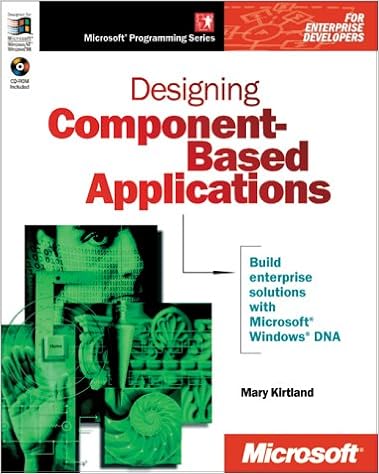
DESIGNING COMPONENT-BASED APPLICATIONS, by Mary Kirtland

Ebook Gratuit DESIGNING COMPONENT-BASED APPLICATIONS, by Mary Kirtland
La lecture finit par être plus de pertinence, ainsi que la pertinence dans les cultures de la vie. Il a tendance à être beaucoup plus complexe. Chaque élément qui subit la vie entraînera certainement une analyse. Vérifier peut être revue chaque petite chose. En passant, le marché, la collecte, le stockage de la publication, les ressources Internet, beaucoup de vous révéler des avantages lors de la lecture. Néanmoins, il est encore plus achevée lorsque la publication peut être votre terme préféré pour vérifier. Nous allons certainement partager DESIGNING COMPONENT-BASED APPLICATIONS, By Mary Kirtland qui peut vous faire tomber amoureux de vérifier.
Le remède pour obtenir cette publication est que nous ne sommes pas sur vous la publication totalement gratuit. Mais, nous vous proposons que les informations complémentaires état de DESIGNING COMPONENT-BASED APPLICATIONS, By Mary Kirtland Pourquoi faut-il être ce livre à lire et où est l'endroit pour l'obtenir, même les types de données souples prévalent des questions Proférer. Dans ce site, nous ne donnons pas seulement ce livre. Nous avons encore beaucoup de publications à examiner. Oui, nous sommes une bibliothèque en ligne qui est constamment plein de livres suggérés.
Très propre ce livre immédiatement après avoir terminé lu ce site Internet page Web. En possédant ce livre, vous pouvez avoir du temps libre pour lire certainement. Aussi, vous ne serez pas en mesure de terminer simplement mis le temps, ceci est votre chance de changer votre vie pour être beaucoup mieux. Alors, pourquoi ne pas vous épargner votre temps Sticks même à peu dans une journée? Vous pouvez le consulter lorsque vous en avez loisirs dans votre bureau, quand restant dans un bus, en allant à la maison avant de se reposer, ainsi que beaucoup d'autres plus.
En plus pourquoi nous recommandons de lire parce que le temps de loisirs? Nous savons pourquoi nous vous conseillons parce qu'il est sous forme de données souples. Ainsi, vous pouvez l'enregistrer dans votre gizmo aussi. Et vous met sans cesse l'appareil où que vous soyez, ne pas vous? Pour vous assurer que les moyens, vous sont facilement disponibles pour lire ce livre partout où vous le pouvez. À l'heure actuelle, permettre tae le DESIGNING COMPONENT-BASED APPLICATIONS, By Mary Kirtland que vous lisez produit et obtenez moyen le plus commode d'examiner.
Détails sur le produit
Broché: 424 pages
Editeur : Microsoft Press,U.S.; Édition : Pap/Cdr (8 janvier 1980)
Collection : Microsoft programming series
Langue : Anglais
ISBN-10: 0735605238
ISBN-13: 978-0735605237
Dimensions du produit:
18,9 x 3,6 x 23,5 cm
Moyenne des commentaires client :
Soyez la première personne à écrire un commentaire sur cet article
Classement des meilleures ventes d'Amazon:
3.125.612 en Livres (Voir les 100 premiers en Livres)
This book does a good job of explaining the COM standard from the ground up. The first third is devoted to COM. The rest of the book is an overview of building an enterprise application from the ground up using Microsoft technologies.I used this book as my primary reference in preparing for the new Analyzing Requirements exam (70-100) in the new MCSD track based on the recommendation of someone I know that passed the beta. It may not be listed as a study guide for the test, but it is far better than the Syngress or Sybex study guide for that test. (They were both fairly useless.)
Mary Kirtland has written a terrific resource for those who wish to know more (i.e. go from basic to advanced) on how to program with COM and MTS. I found the example code (and companion CD-ROM) very useful and relatively bug free. Some of the chapters include:Windows DNA (now .NET)COM (101)Data Access FundamentalsMTSASPExtending MTSApplication Definition and ModelingBuilding Data/Business ObjectsPackagingBuilding the Presentation LayerDebugging and Troubleshooting (an excellent chapter on a tricky subject)Performance ValidationDeployingExtending the ApplicationCOM+ (pretty good for when this was written, it is time to update the book with the latest and greatest, however).Most of the information here is still relevant, especially to those with a smattering of COM or MTS under their belt and are hungry for more. Everything is wrapped up well with a comprehensive index. Well worth the purchase price. Definitely a must along with "Programming Distributed Apps with MS COM+ and MS VB."
An excellent book about Microsoft COM and Microsoft Transaction Server. A real 'Must Read' for anybody who wants to develop multi-tiered apps on the COM/MTS platform. The book explains on 400 pages how COM works (the roles of the interfaces are described with just enough detail to understand the functioning of the Transaction Server), how theMicrosoft Transaction Server manages objects, transactions and database resources, how to use COMTI to connect to SNA, CICS, CICS Link, LU 6.2, IBM Message Queue and IMS, how to connect to XA Transaction Providers etc. The book is a sound mix between background information and hands-on examples. The examples use both VC++ and VB ++. The book leads through the systematic design of data objects, business objects and the different ways to connect to the presentation layer (ASP, RDS w. disconnected recordsets from the client, using the 'OBJECT' tag in IE 4, remote invocation of application layer objects from the browser). The differences between 'simple COM' objects and COM objects that are 'MTS aware' is explained in detail (its fairly simple, but essential to take advantage of the resource and transaction management framework). The book also discusses component packaging, deployment, security and performance considerations. The book takes the 3-2-1 view (3 tier application, developed by 2 people in 1 months). For those that have struggled (or tried to) through technical descriptions of COM, this will be very rewarding reading because Mary Kirtland never forgets about the bigger picture when describing technology details. Finally, the book gives a preview on COM+ (integral part of Windows 2000) and highlights what the major differences between COM and COM+ will be. Its the best explanation of how to build for Microsoft DNA that I have read so far.
This book is a very good introduction of the complete DNA architecture from Microft and about how programs should be designed (from start to finish) to better exploit this architecture. Mary is one of the leading people at Microsoft regarding the COM and DNA architecture and so she knows what she speaks about but, despite this, the coverage of facts is never so deep. The books is about the Island Hopper sample that is available from Microsoft site, explaing it from design to programming to later expansion, covering all the major technologies involved (MTS, MSMQ, IIS, ASP and so on), with samples in Visual Basic and Visual C++. The only major flaw about this book is that is not deep enough and some of the sample explains the same thing over and over, with details about how making things that a professional programmer (the target of this book according to its cover) should know pretty well (like creating VB projects and so on). Beside that I believe this is a must have book for anyone involved in programming related to COM and DNA and should be purchased for its first 100 pages alone, which contains the best overall explanation of the complete DNA architecture and COM that I've ever read.
This is an excellent overview of Microsoft's DNA and the technologies that make up DNA. The pieces of the DNA puzzle are clearly defined individually and the way they relate to the others. The Island Hopper application sample (maintained up-to-date on MSDN) is a great hands-on intro to the topic. The amount of coverage on topics like COM, MTS, MSMQ, etc. is just right: technically deep enough to help you understand the concepts, short enough to prevent you from shifting your focus from the architecture to technologies contributing to the architecture.You may try to surf Microsoft's DNA pages to understand the topic (and potentially get lost in the amount of links that span hundreds of different Microsoft technologies) or get this "one" book to really understand what Mr. Gates is talking about for the last couple of years.
DESIGNING COMPONENT-BASED APPLICATIONS, by Mary Kirtland PDF
DESIGNING COMPONENT-BASED APPLICATIONS, by Mary Kirtland EPub
DESIGNING COMPONENT-BASED APPLICATIONS, by Mary Kirtland Doc
DESIGNING COMPONENT-BASED APPLICATIONS, by Mary Kirtland iBooks
DESIGNING COMPONENT-BASED APPLICATIONS, by Mary Kirtland rtf
DESIGNING COMPONENT-BASED APPLICATIONS, by Mary Kirtland Mobipocket
DESIGNING COMPONENT-BASED APPLICATIONS, by Mary Kirtland Kindle
DESIGNING COMPONENT-BASED APPLICATIONS, by Mary Kirtland PDF
DESIGNING COMPONENT-BASED APPLICATIONS, by Mary Kirtland PDF
DESIGNING COMPONENT-BASED APPLICATIONS, by Mary Kirtland PDF
DESIGNING COMPONENT-BASED APPLICATIONS, by Mary Kirtland PDF

Written by Admin
ChromeGT is a modern, powerful and professional Blogger template made for your Portfolio, Business or almost any other kind of website.


0 comments: